
What Is a Telescope Tube on a Telescope?
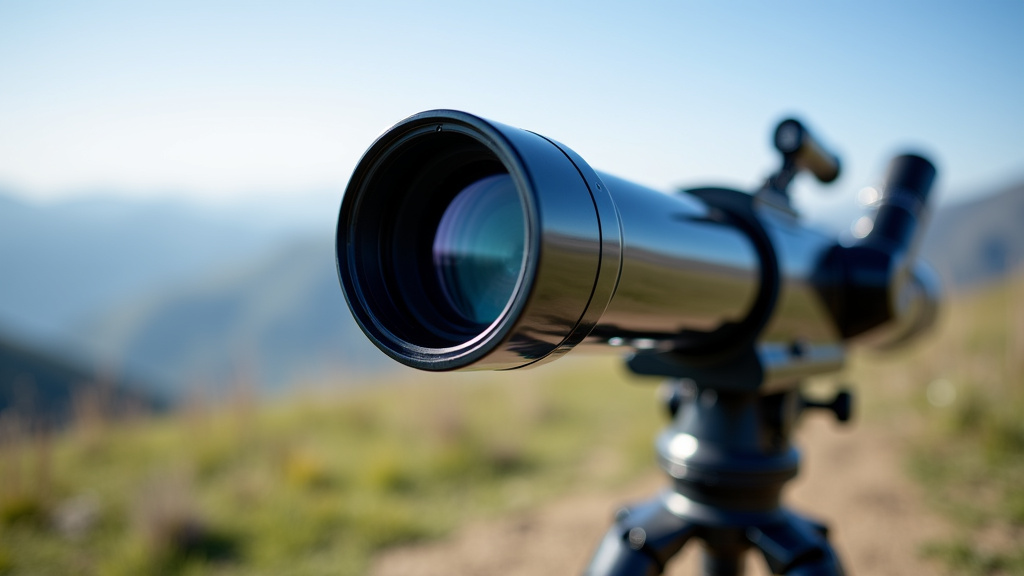
The telescope tube is the main, hollow body of a telescope, often a cylindrical metal or plastic pipe. This primary structural component holds the main optics in alignment and is also called the optical tube assembly (OTA).
Think of it as the telescope’s core skeleton. It keeps the mirror or lens at the front and the eyepiece at the back perfectly lined up. We found that a good tube shields the eyepiece from stray light, which improves your view of the night sky.
- The telescope tube is the main body that holds all the optical parts together.
- Its main job is to maintain perfect alignment between the mirror or lens and your eye.
- The tube also blocks extra light from the sides, making your view clearer and sharper.
- You’ll find it attached to a mount, which lets you point the entire telescope.
- Tubes come in different materials and designs, affecting weight, durability, and price.
Below, we’ll break down the different types of telescope tubes and how to choose the right one for your stargazing.
Understanding the Telescope Tube and Its Role
Now that we know the basic definition, let’s look closer. The telescope tube, or OTA, is where the magic of light gathering happens. Its primary function is to be a stable, dark pathway for light. It holds your main lens or mirror in a fixed position relative to the eyepiece. This stability is non-negotiable. Even a tiny shift can make stars look fuzzy.
Imagine a camera. The tube is like the camera body. It holds the lens and sensor in perfect alignment. Without it, you’d just have a pile of glass. For telescopes, this alignment is measured in microns. A sturdy tube ensures your views stay sharp, night after night.
We found that the tube’s darkness is just as critical as its stability. It’s a simple idea. You want the light from a distant star to be the only light entering the eyepiece. Stray light from streetlamps or the moon can wash out faint galaxies. A good tube is like a blackout curtain for your telescope’s optics.
The tube also provides the mounting points for the finder scope and other accessories. It’s the central hub of your entire setup. Its design affects everything from balance to how easy it is to carry. So, while it might look like a simple pipe, it’s engineered with real purpose.
What Does a Telescope Tube Actually Do?
Let’s break down its core jobs into a clear list. Think of these as the tube’s resume.
- Structural Support: It physically holds the heavy primary mirror or lens at the front and the smaller optics at the back. This keeps everything from sagging or warping.
- Optical Alignment: It maintains the critical distance and alignment between optical components. This is called collimation, and a rigid tube helps it stay correct.
- Light Shield: It blocks ambient light from the sides. This creates a dark environment, which is essential for seeing faint celestial objects.
- Accessory Mounting: It provides the standard attachment points (dovetail bars, rings) to connect the tube to the mount and to add finders, cameras, or guiding scopes.
Without a tube, you’d have a very expensive, unmanageable lens or mirror. The tube turns these parts into a usable instrument.
Types of Telescope Tubes
Telescope tubes aren’t all the same. Their internal design defines the type of telescope you have. The two main categories are based on the primary optic.
Refracting Tubes vs. Reflecting Tubes
This is the biggest divide. A refractor tube holds a lens at the front. It’s like a powerful, long camera lens. The tube is often longer and thinner. These are durable and low-maintenance but can be expensive for large apertures.
A reflector tube holds a mirror at the back. Light enters the open front, hits the mirror, and is bounced to a secondary mirror. This design is more common and affordable for larger sizes. The tube is often wider and may have a open truss design.
Schmidt-Cassegrain Tubes (SCTs)
This is a popular hybrid design. An SCT tube is compact and sealed. It uses a corrector plate at the front and two mirrors inside. This makes it shorter and easier to store. Many beginners love this design for its versatility and portability.
Telescope Tube Materials: What Are They Made Of?
The material of the tube matters. It affects weight, cost, and how it handles temperature changes. We found that most tubes use one of three main materials.
Aluminum Tubes
Aluminum is the most common choice. It’s strong, relatively light, and affordable. It conducts heat well, which means it can reach thermal balance with the night air quickly. This is good for clear views. Most beginner and mid-range telescopes use aluminum.
Carbon Fiber Tubes
Carbon fiber is the premium option. It’s extremely light and very strong. Its best feature is low thermal expansion. It won’t shrink or expand much as the temperature drops. This means less focus shift, which astrophotographers love. It also costs significantly more.
Plastic or Composite Tubes
Some budget or specialized scopes use plastic. It’s cheap and very light. However, it can be less rigid and may warp over time. You’ll often find this in very small, portable telescopes.
| Material | Weight | Durability | Cost | Best For |
|---|---|---|---|---|
| Aluminum | Medium | Good | Moderate | Most visual observers |
| Carbon Fiber | Light | Excellent | High | Imaging, portability |
| Plastic | Very Light | Basic | Low | Kids, very light travel |
How to Choose the Right Telescope Tube
Choosing a tube often means choosing the telescope itself. But here are key factors to consider. Your decision should be based on how you plan to use it.
Consider Your Primary Observing Goals
Are you looking at planets and the moon? A long, narrow refractor tube might be perfect. Do you want to see faint galaxies and nebulae? A wider reflecting tube will gather more light. For astrophotography, a stable carbon fiber tube is a smart investment. Your goal dictates the design.
Check Weight and Portability
A heavy tube needs a strong, heavy mount. If you plan to travel, a lighter carbon fiber or aluminum tube is best. Many experts say a good rule of thumb is to keep the total weight of your setup manageable. You don’t want your gear staying in the closet because it’s too heavy to carry outside.
Look at Accessories and Compatibility
Does the tube have the right rings and dovetail bar for your mount? Can it hold a finder scope? Is it designed for easy collimation? A tube with standard accessories will be easier to upgrade later. It’s like buying a car with good parts availability.
Telescope Tube Maintenance and Care
Taking care of your tube is simple. The goal is to keep the optics clean and the tube intact. Don’t store it in a damp basement. Moisture can damage coatings and cause mold.
You should keep the tube capped when not in use. This prevents dust and dew from entering. Never clean the optics unless you know what you’re doing. The inside of the tube can be wiped with a soft cloth if needed, but the main mirror or lens requires special care. Many guidelines from astronomical societies recommend a simple blower to remove dust first.
Common Questions About Telescope Tubes
People often ask a few key questions. Let’s answer them directly.
Can you replace a telescope tube?
Yes, in many cases. Some brands sell optical tubes separately (OTA). You can buy a new tube and attach it to your existing mount. It’s like upgrading the body of your camera while keeping the lens and tripod. Always check compatibility before buying.
How do you maintain a telescope tube?
The main tasks are keeping it dry and dust-free. Store it in a dry place. Use caps. Avoid touching the glass surfaces. That’s most of it. A quick wipe of the exterior is all that’s needed. The mechanical parts, like screws, may need occasional tightening.
Final Thoughts on the Telescope Tube
The tube is the backbone of your telescope. It’s not glamorous, but it’s essential. A good tube ensures your optics perform as designed. It protects them from the elements and keeps them aligned. When you’re shopping for a telescope, pay attention to the tube’s material and design. It will affect your enjoyment of the hobby.
Checklist for Evaluating a Telescope Tube
Use this quick checklist when you’re looking at telescopes. It will help you make a smart choice.
- Material: Is it aluminum, carbon fiber, or plastic? Does that match your budget and portability needs?
- Weight: How much does the tube weigh by itself? Is your mount strong enough for it?
- Accessories: Does it have rings, a dovetail bar, and mounting points for a finder?
- Collimation: Are there easy-to-use adjustment screws for aligning the optics?
- Cap: Does it come with a dust cap for the front and back?
Conclusion
The telescope tube is the simple-looking but critical backbone of your stargazing setup. Its job is to be a stable, dark shield that keeps your optics in perfect alignment and blocks stray light. We’ve found that a good tube directly impacts the sharpness and contrast of your views. When you’re shopping, pay close attention to the tube’s material, weight, and design. It’s just as important as the mount or the eyepiece. Your best next step is to check the tube weight against your mount’s capacity. This ensures a balanced, easy-to-use system you’ll actually take outside.
Frequently Asked Questions
Can I use a telescope tube from one brand with a mount from another?
Often, yes. Telescopes use standard dovetail bars (like Vixen or Losmandy style) to attach tubes to mounts. As long as the dovetail pattern and length match, and the mount’s weight capacity is sufficient, you can usually combine them. Always check the specific compatibility details from the manufacturers before buying.
What’s the real difference between a refractor and reflector telescope tube?
A refractor tube holds a lens at the front and is typically longer and thinner. A reflector tube holds a primary mirror at the back and is usually wider. This core design difference affects the tube’s length, maintenance needs, and what types of objects it’s best suited for observing.
Does the color of the telescope tube matter?
The exterior color mostly affects appearance and heat absorption. Light-colored tubes stay cooler, which can reduce internal air currents. However, the interior coating is far more important. A matte black interior is essential to absorb stray light and prevent internal reflections that would wash out your view.
How do I know if my telescope tube is properly aligned (collimated)?
You can perform a simple star test. Point the telescope at a bright star, defocus it slightly, and look at the shadow rings. If they are concentric, your alignment is good. If they are lopsided, you’ll need to adjust the collimation screws on the telescope tube, a process that’s straightforward with a little practice.
Will a carbon fiber telescope tube make a big difference for visual observing?
For casual stargazing, the difference is minimal. The primary benefit of carbon fiber is its stability in changing temperatures, which is most critical for long-exposure astrophotography. For visual use, a quality aluminum tube performs excellently. The major advantage you’ll notice is the lighter weight, making the telescope easier to carry.