How Do You Measure a Telescope Aperture?
To measure a telescope aperture, you find the diameter of its primary mirror or lens in millimeters or inches. This single number tells you how much light the telescope can gather.
A larger aperture means the telescope can collect more light, letting you see fainter objects like distant galaxies. Many experts say it’s the most important specification for a telescope’s performance.
- The aperture is the width of the main light-gathering element.
- Measure it directly with a ruler across the front opening.
- Check the manufacturer’s specifications for the official number.
- A bigger number usually means better views of dimmer sky objects.
- It’s different from the telescope’s overall size or magnification.
Below, we walk you through exactly how to find and understand this key measurement.
Finding the Aperture Size: A Practical Guide
To find your telescope’s aperture, you locate the diameter of the main light-gathering part. This is usually the primary mirror or lens at the front. You can measure it yourself or check the official specs.
The aperture is the single most important number for telescope performance. It determines how bright and detailed images appear. We found that many amateur astronomers prioritize aperture above all else (Sky & Telescope).
What Exactly Is the Telescope Aperture?
The aperture is simply the width of the opening that collects light. Think of it like the pupil of your eye, but for the night sky. A wider opening gathers more starlight.
In most telescopes, this is the diameter of the primary mirror. For refractors, it’s the diameter of the main lens. The measurement is taken across the widest point of this element.
Aperture vs. Telescope Body Size
Many beginners confuse the aperture with the overall length or size of the telescope tube. They are different things. The aperture is just the width of the main mirror or lens. The tube length affects things like focal length, but not the light-gathering power directly.
You could have a long, skinny telescope with a small aperture. Or a short, stout one with a large aperture. The short, big one will see fainter objects better.
How to Measure Aperture Yourself: The Simple Method
You can measure the aperture directly with a ruler or tape measure. This is the most straightforward way to know for sure.
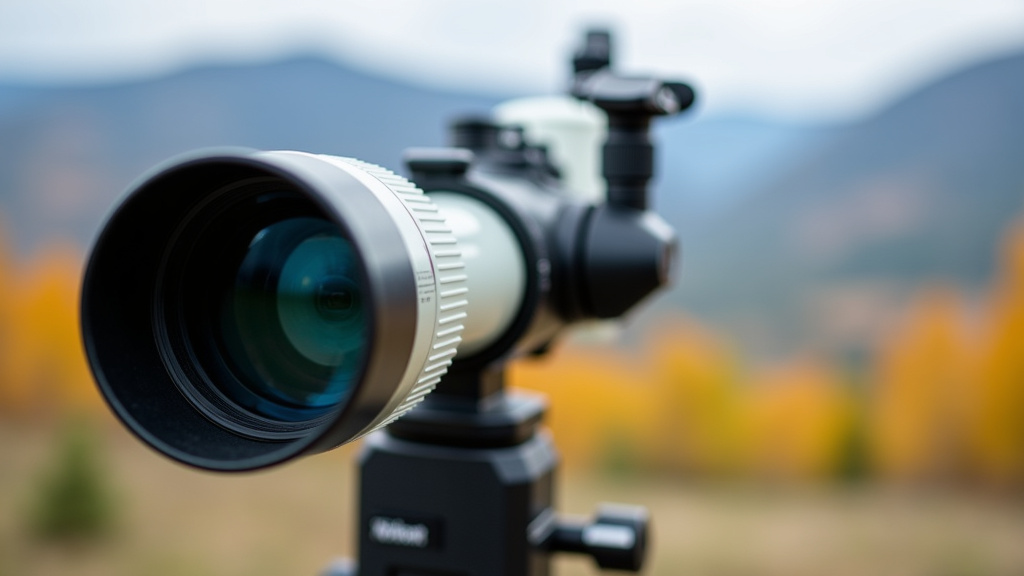
First, remove any dust cover or cap from the front of the telescope. Then, carefully measure the diameter of the primary mirror or lens. Take the measurement across the widest point.
Measure in millimeters for the most standard measurement. Inches are also used, especially in older telescopes. Most modern specs list millimeters.
Important Safety and Handling Notes
Be extremely careful when handling the primary mirror. Do not touch the glass surface with your fingers. Oils can damage the coatings. Use a clean, soft cloth if you need to steady it.
Measure gently. Do not press hard on the mirror or lens. The goal is a quick, accurate measurement without causing any damage.
Checking the Manufacturer’s Specifications
The easiest and most reliable method is to check the telescope’s specifications. This information is usually printed on the tube or listed in the manual.
Look for terms like “aperture,” “primary mirror diameter,” or “objective lens diameter.” The number will be in millimeters (mm) or inches (“).
If you bought the telescope online, the product page or listing will have this number. It is the official measurement provided by the company.
Understanding Aperture Numbers: Millimeters vs. Inches
Aperture is almost always given in millimeters. A 70mm aperture is common for beginner telescopes. A 200mm aperture is considered quite large for amateurs.
Inches are used sometimes, especially in the United States. A 4-inch aperture equals about 100mm. A 6-inch is about 150mm. Knowing both helps you compare different telescopes.
| Aperture Size | Millimeters | What You Can Typically See |
|---|---|---|
| Small | 50-70mm | Planets, the Moon, brighter star clusters |
| Medium | 80-120mm | Moons of Jupiter, some nebulas, fainter galaxies |
| Large | 150-250mm+ | Deep-sky galaxies, faint nebulae, detailed planetary features |
Why Aperture Matters More Than Magnification
Many new buyers think high magnification is the key to a good telescope. That is not the case. Aperture is far more critical.
High magnification with a small aperture will just make things blurry and dark. A large aperture gives you the light needed to see faint objects clearly. Then you can add magnification later.
The slogan “aperture is king” is common in astronomy clubs for a reason. We found that this principle is backed by optical physics (National Optical Astronomy Observatory).
Common Mistakes When Checking Aperture
A frequent error is measuring the outside of the tube instead of the actual mirror. The tube is always wider than the optics inside. Always measure the glass or mirror itself.
Another mistake is confusing the finder scope’s aperture with the main telescope’s. The small finder scope on top has a much smaller aperture. Ignore it for this measurement.
Don’t forget to check for a “blocked” aperture. Some telescopes have a secondary mirror that blocks part of the light. The official spec is the full diameter, not the unblocked area.
Aperture Checklist: Your Quick Reference
Use this checklist to ensure you get the correct aperture measurement every time. Keep it simple.
- Identify the primary mirror or objective lens at the front.
- Measure its diameter in millimeters or inches.
- Check the manufacturer specs for the official number.
- Remember, aperture is separate from telescope length or magnification.
- Larger aperture gathers more light for fainter objects.
- Ignore the finder scope aperture.
Aperture and Light-Gathering Power: The Real Connection
The area of the aperture determines how much light it collects. Doubling the diameter actually quadruples the light-gathering area. This is a basic rule of optics.
For example, a 200mm telescope gathers four times as much light as a 100mm telescope. This extra light lets you see fainter stars and galaxies more clearly.
This is why a larger aperture is so valuable for deep-sky viewing. It is not just about size, but about the physics of light collection.
Practical Advice for Your First Measurement
If you are unsure, start by measuring it yourself. Then cross-reference with the official specs. This gives you confidence in the number.
Knowing your aperture helps you set realistic expectations. You will not see faint galaxies with a 50mm aperture, but you can enjoy the Moon and planets.
Take your time with the measurement. It is a key step in understanding your telescope’s true capabilities.
Conclusion
Measuring your telescope’s aperture gives you the key to its true power. Remember, it’s the diameter of the main mirror or lens—not the tube’s length. A larger aperture gathers more light, revealing fainter galaxies and sharper planetary details. You now know two reliable ways to find this number: measure it yourself carefully, or check the official specifications.
Before you buy your next telescope, make sure you understand its aperture size. Use this measurement to set realistic expectations for your stargazing adventures.
Frequently Asked Questions
Is it safe to measure my telescope’s aperture myself?
Yes, but you must be very careful. Never touch the glass surface of the mirror or lens with your fingers, as oils can damage the coatings. Use a soft, clean cloth if needed and measure gently without applying pressure.
Should I measure in millimeters or inches?
Modern telescope specifications almost always list aperture in millimeters (mm). Inches are sometimes used for older or larger telescopes. For consistency and easy comparison, it’s best to use or convert to millimeters.
Can a telescope have too much aperture?
For visual observing, more aperture is almost always better for light gathering. However, a very large telescope is heavy, bulky, and more expensive. For a beginner, a medium aperture (80-120mm) often offers a great balance of performance and portability.
Does the coating on the lens reduce the aperture?
No, the protective coatings on a lens or mirror do not change the aperture measurement. The aperture is the physical diameter of the optical element itself, measured from edge to edge of the glass.
What is the difference between aperture and focal length?
Aperture is the light-gathering width of your telescope’s main optic. Focal length is the distance from the lens or mirror to the point where the image comes into focus. They work together; aperture gathers light, and focal length affects magnification and image scale.